

- Home |
- (EVSE) AND EV CHARGING SOLUTIONS
(EVSE) AND EV CHARGING SOLUTIONS
ELECTRIC VEHICLE SUPPLY EQUIPMENT (EVSE) AND
EV CHARGING SOLUTIONS
One of the biggest challenges of the 21st century will be to decarbonize the traditionaltransportation accountable for over 25% of global CO2 emissions. Decarbonization must be done without sacrificing the interconnectedness we’ve come to expect from modernity. With a fleet of 157 mil of EVs expected in 2030, the electric vehicle supply equipment (or EVSE) needs to proceed in parallel, and sometimes anticipate that of the EV stock.
LEM actively contributes to the deployment of electric vehicle charging infrastructures, by supplying very high technology
current sensors and energy meters making the charging points more reliable, safe, affordable, and smart.
Successful deployment of EVSE goes hand in hand with simple recharging and energy management processes. This implementation requires the incorporation of new technologies and consistent development of robust standards that cater to various charging technologies suited for different applications.
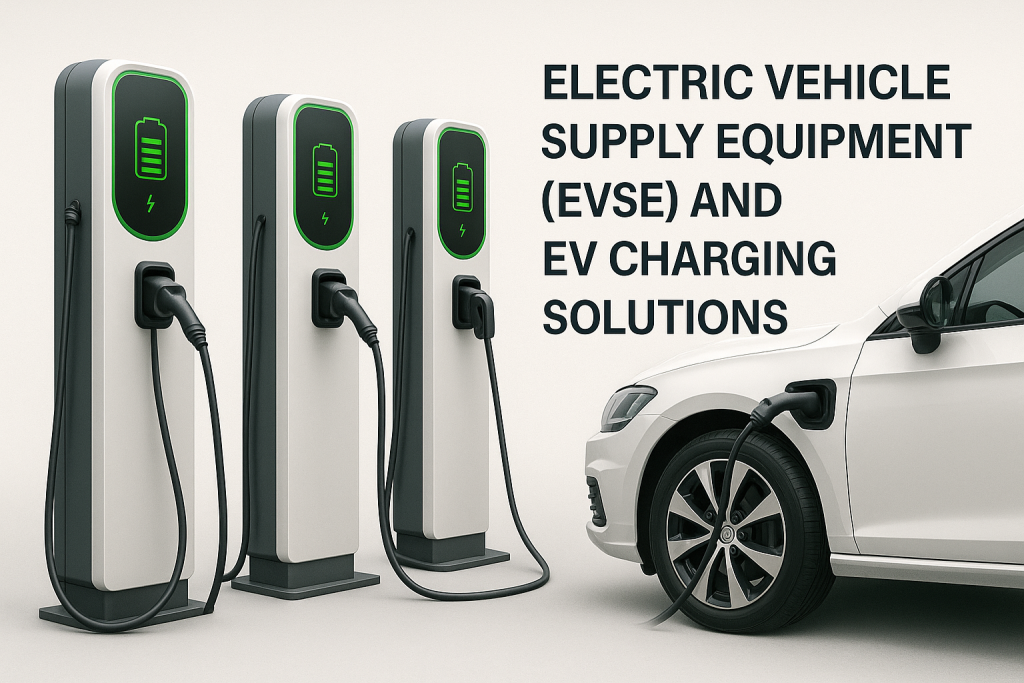
Successful deployment of EVSE goes hand in hand with simple recharging and energy management processes. This implementation requires the incorporation of new technologies and consistent development of robust standards that cater to various charging technologies suited for different applications.
Furthermore, there are significant indicators emanating from various regions that seek to accelerate the deployment of charging infrastructure, including regulatory initiatives such as the Alternative Fuel Infrastructure Regulation and the Fit for 55 law package in Europe, as well as programs like the NEVI in the United States. To accomplish this, precise and innovative electrical measurement technologies are needed to perform functions such as current sensing, energy metering, and electrical safety.
CHARGING OPTIONS FOR PASSENGER BATTERY ELECTRIC VEHICLES (BEVS)
For passenger Battery Electric Vehicles (BEV), charging is performed using either using AC wallbox – using the automotive on-board charger (OBC) of the vehicle – or an off-board DC charger with a maximum charging power usually in the range of 100-250kW.
Selecting AC of DC charging point and power level for BEV will depend on the time available to charge and the desired charging range.
For passenger BEV application, AC charging points constitute most of the volume and are usually deployed in home and building while DC charging points are deployed for destination charging and en-route charging where time is an important constraint.